Websites for
Websites for tours, attractions, and museums
A tour or attraction site sells two things before the gates open: the experience and the logistics. I build sites that do both, with whatever booking platform you already use embedded into pages you actually own.
Keep your booking platform. Lose the bundled site.
Most tours and attractions already run bookings through FareHarbor, Bookeo, Tock, Xola, or a similar system. Those platforms are good at taking reservations and payments, and bad at being your website. The free site they bundle is generic, hard to edit, and it ranks for nothing because a thousand other operators get the same template.
I build sites that treat the booking platform as what it is: the checkout. Your FareHarbor or Bookeo buttons and calendars get embedded on a site you own, on your own domain, with your own photos and your own search presence. If you switch booking platforms later, the site stays. You are never rebuilding from zero because a vendor changed their pricing.
Schedules, seasons, and the logistics people check
Visitors check a short list before they drive anywhere: are you open today, what does it cost, where do I park, how long does it take, can my kids or my mother-in-law handle it. The homepage answers the first three. A plan-your-visit page handles the rest: parking, accessibility, group and bus policies, weather plans, what to wear on a walking tour in October.
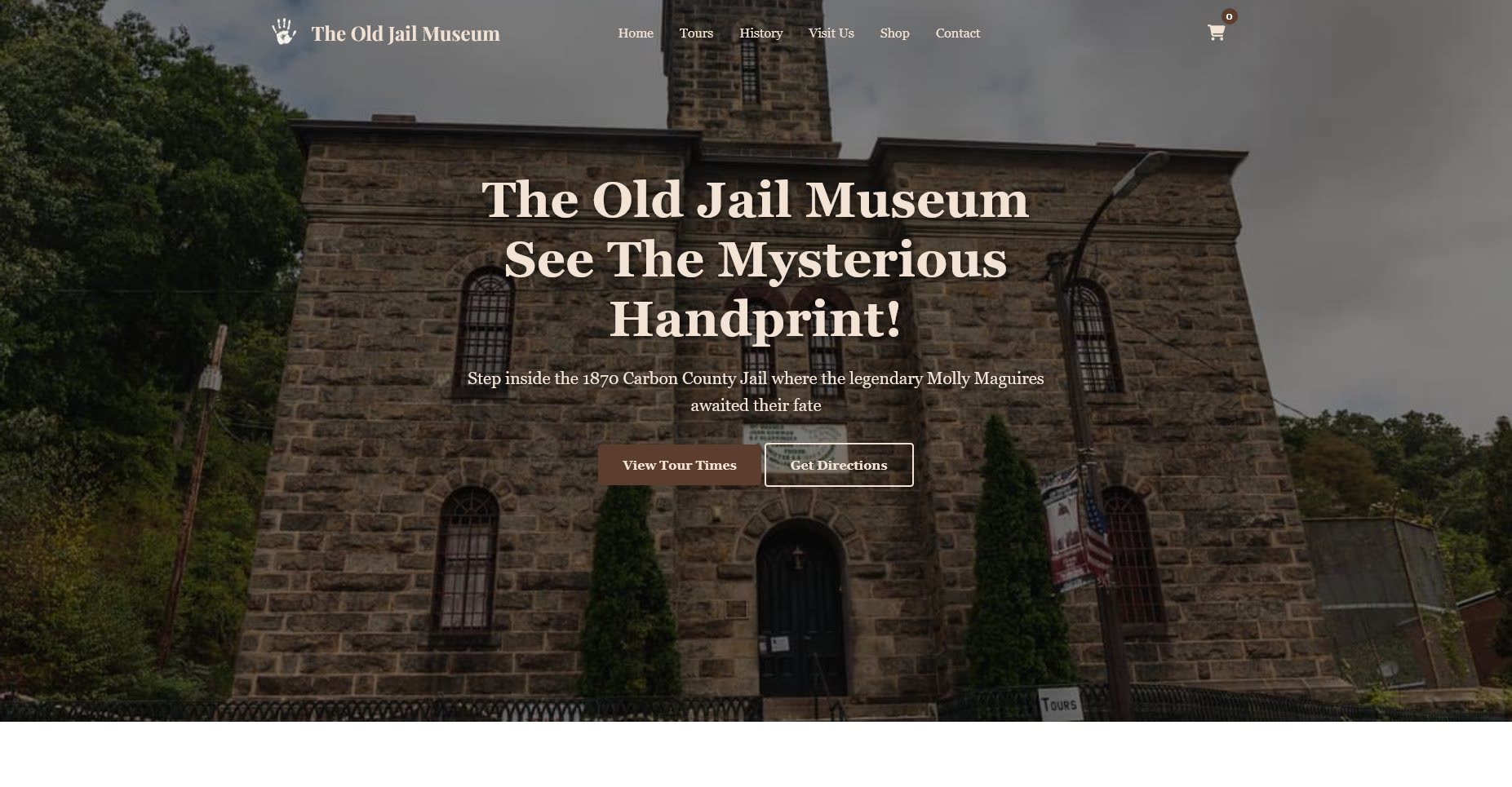
Seasonal schedules get treated as editable content. Hours that change with the season live somewhere you or I can update in minutes. For The Old Jail Museum in Jim Thorpe, Pennsylvania, weekday tours are by reservation, weekend tickets are walk-up only, and there are six price tiers. That kind of rule set is exactly what a well-organized visitor page makes readable.
A site that feels like the attraction
A ghost tour site should feel a little haunted. A children's museum should not. The design has to match the atmosphere you sell, because for most visitors the website is the first five minutes of the experience.
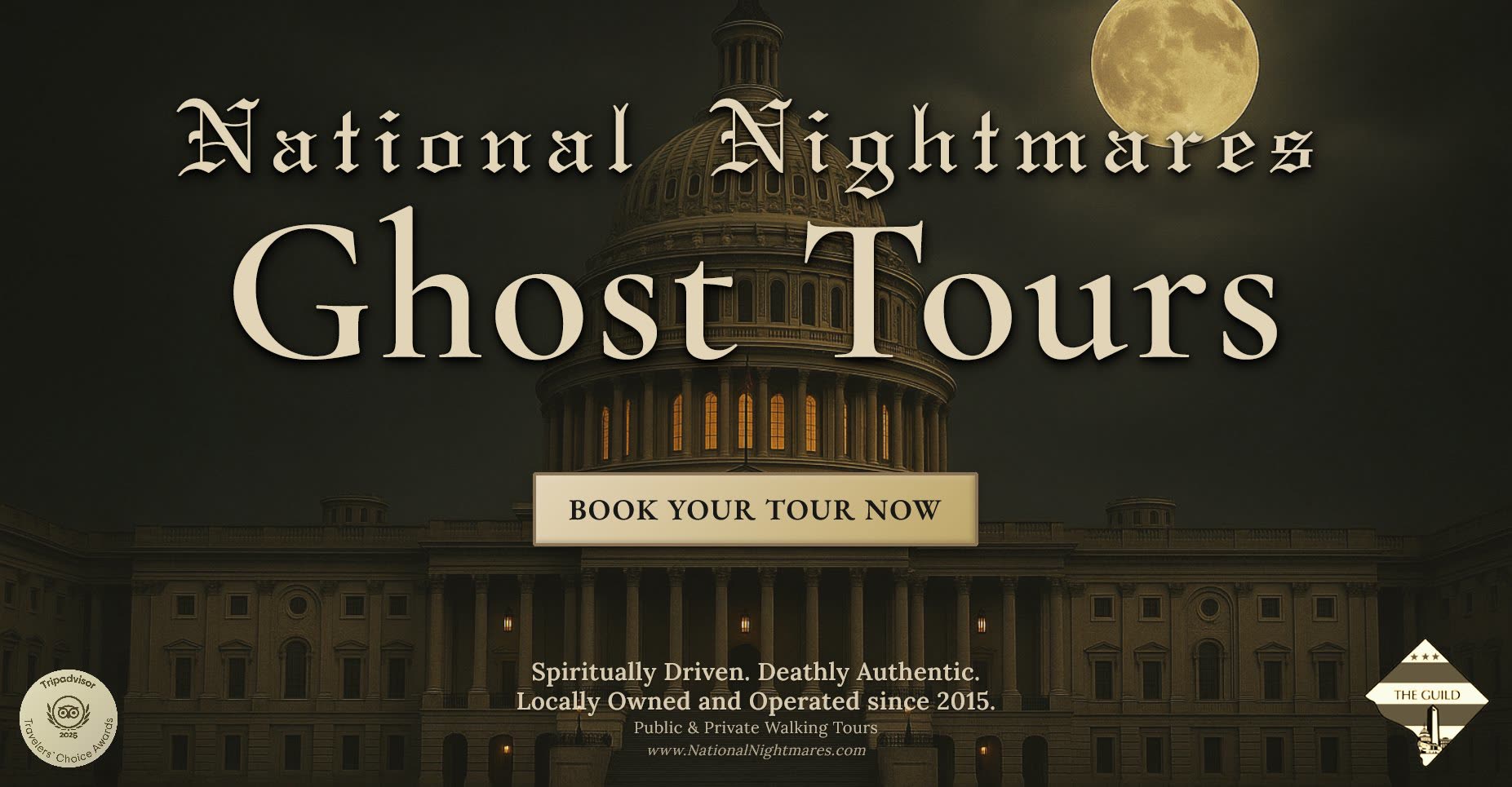
For National Nightmares, a haunted history tour company in Washington, DC, I rebuilt the site with gothic type and colonial sketch art, then put a plain booking structure under it: tour, price, button. The theatrical parts sell the mood; the structure sells the ticket. The rebuild came through a site takeover after their previous developer left, and bookings are up 40% since relaunch, client-reported.
Google is your second box office
Tourists plan days on Google Maps. They search things to do in Jim Thorpe or ghost tour DC, look at photos and reviews, and book whatever looks credible. Your Google Business Profile, your reviews, and your site have to agree on the basics: hours, address, ticket link.
A platform-bundled site cannot carry that weight. A site you own can: real pages for each tour or exhibit, directions written for people arriving by car and on foot, and nearby-attractions pages that catch day-trip searches. The Old Jail Museum pulls in things-to-do-near-Jim-Thorpe searches with pages like that, and organic traffic is up 65% since launch.
Cost and timing
Most attraction sites start at $1,000 and launch in two to four weeks. Ticketing embeds, a gift shop, or heavy photography move the quote, and you get a fixed number after we talk.
If you want to sell merchandise or signed books alongside tickets, WooCommerce handles both through one checkout, which is how The Old Jail runs its gift shop next to tour reservations.
Proof
A DC ghost tour rebuilt around FareHarbor booking, and a Pennsylvania museum running Bookeo reservations plus WooCommerce ticketing. Both are real client sites, still hosted and maintained here.
Questions
Which booking platforms can you integrate?
FareHarbor, Bookeo, Tock, Xola, Peek, Rezdy, and anything else that offers a website embed or booking link. National Nightmares books through FareHarbor embeds; The Old Jail Museum uses Bookeo for reservations. If your platform can produce a button or a widget, it can live on the new site.
Can the site take bookings directly, or does it just link out?
Directly on the page. Booking platforms provide embed code: a calendar, a book-now button, or a checkout widget that runs inside your site, so visitors book without leaving and the reservation still lands in your existing system. What I do not do is build a custom reservation engine from scratch; your platform already solved that problem, and a hand-rolled one becomes a maintenance bill.
Our hours and schedule change every season. Who updates it?
Either of us. On WordPress builds, seasonal hours and tour times are editable fields, and I record a walkthrough at handover so the next staff member inherits instructions. If you would rather hand it off, a care plan covers schedule changes, seasonal hours, and holiday closures; the attraction sites I run get a few of those every year.
We are stuck on the free site our booking platform gave us. Can we move?
Yes, and you keep the platform. The booking account stays exactly as it is; only the website changes. I build the new site on your domain, move the booking buttons over, and redirect the old pages so you keep whatever search ranking you have. Depending on what the current site is made of, that is a website takeover or a rebuild.
Talk to me
Ready when you are. Start a project.